
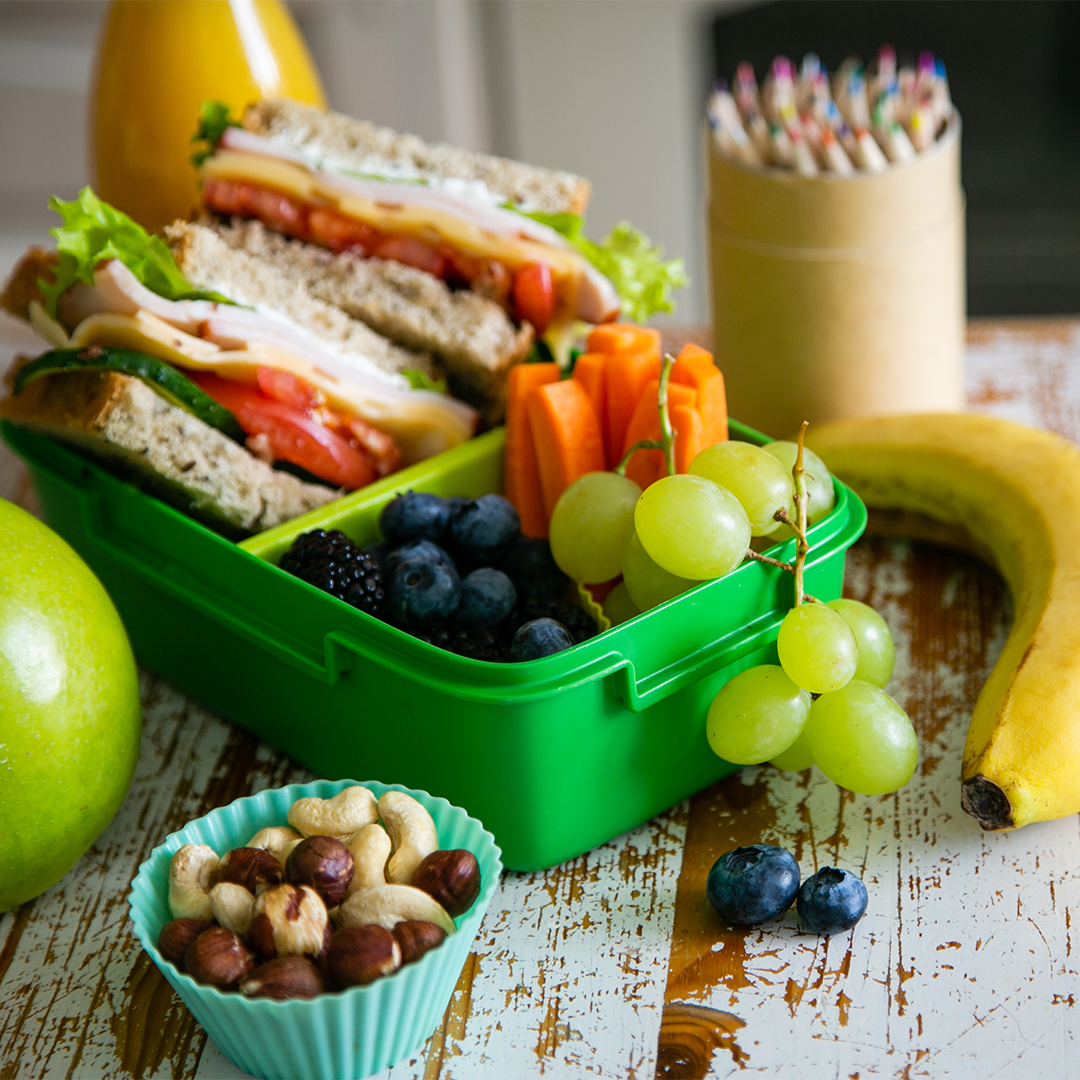
Expectant parents and new parents often feel a quiet pressure to “get it right” from day one, especially when childhood health challenges like picky eating, sleep struggles, too much screen time, and early weight concerns seem to pop up everywhere. That pressure can turn into parental anxiety about parenting, where every snack, nap, or routine starts to feel like a test. The truth is that guiding children’s health choices rarely comes down to perfect plans, it grows from the everyday patterns kids see and repeat. A steady, realistic approach can help healthy lifestyle habits take root early.
How Early Habits Take Root
In the early years, kids learn health behaviors the same way they learn language: by watching, copying, and repeating what works. Your routines, reactions, and tone become their template, so small daily choices can turn into steady child behavior patterns over time.
This matters because you do not need perfect meals or flawless schedules to help long-term wellness. You need a simple, repeatable “home default” that makes nourishing food, movement, sleep, and calm feel normal. Even playful practice counts, because play-based learning can help kids develop crucial skills through exploration.
Picture a toddler who resists vegetables but happily “samples” three colors while helping you rinse produce. Or a preschooler who starts winding down faster because your nightly steps never change: bath, book, lights out.
Daily Family Habits That Build Healthy Defaults
These small practices turn big wellness goals into predictable cues your child can follow, even when pregnancy fatigue or newborn chaos makes everything feel messy. Consistency beats intensity, so pick habits that fit your energy and can grow with your baby.
Two-Choice Plate Builder● What it is: Offer two healthy options per food group and let your child choose.● How often: Daily● Why it helps: It builds autonomy while keeping nutrition boundaries clear.
Color Walk Minute● What it is: Take a short walk and spot five colors in nature.● How often: Daily● Why it helps: It adds movement without needing gear or planning.
Same-Time Screen Off● What it is: Turn off screens at the same time each evening.● How often: Daily● Why it helps: It protects sleep and reduces bedtime battles.
Communal Gratitude Jar● What it is: Use a communal gratitude jar to share one good thing.● How often: 3 times weekly● Why it helps: It steadies mood and strengthens family connection.
Sunday Home Reset● What it is: Prep two snacks, wash produce, and plan three simple dinners.● How often: Weekly● Why it helps: It makes healthy choices the easiest choices.
Quick Answers Parents Ask About Lasting Healthy Habits
Q: What are some practical ways to encourage my child to develop healthy eating habits from a young age?
A: Keep choices simple: offer two nutritious options and let your child pick, so you stay in charge of the “what” while they control “which.” Aim for steady meal and snack timing to reduce grazing and power struggles. When appetite varies, focus on routine and variety, not bites counted.
Q: How can I help my child manage stress and emotions in a healthy way throughout their development?
A: Name feelings out loud and model a calming step like slow breathing, a sip of water, or a short reset in a cozy corner. As they grow, you can teach coping “tools” and notice what works, since the children’s coping strategies checklist highlights that kids use different strategies in tough moments. Consistency and warmth matter more than perfect words.
Q: What strategies can parents use to limit screen time and promote more outdoor activities?
A: Set one predictable daily boundary, like screens off at the same time, then offer an easy replacement such as a stroller loop or backyard play. Use device settings early, because not using parental controls is common and makes limits harder to hold when you are tired. Keep outdoor plans “tiny on purpose” so you actually do them.
Q: How can setting a good example in my own lifestyle influence my child’s lifelong healthy choices?
A: Kids copy what they see most, especially how you handle stress, food, and movement on ordinary days. Let them watch you eat balanced meals, take short walks, and pause before reacting when you are overwhelmed. When you slip, narrate the reset, because repair teaches resilience.
Q: If I’m feeling overwhelmed trying to balance parenting with personal growth, what options can help me advance my skills efficiently?
A: Choose one growth lane for a season and make it concrete, maybe a short course, a certification, or an accelerated degree option like an online computer science program, then protect small, repeatable study blocks on your calendar. Treat it like a family routine: define your minimum (15 minutes), your support plan, and your recovery time. Structure lowers stress and keeps progress realistic.
Healthy Habits Quick-Start Checklist
This quick checklist turns good intentions into repeatable routines, even when you are pregnant, sleep-deprived, or juggling a newborn. Pick one item to start today and keep it simple enough to repeat tomorrow.
✔ Offer two healthy options at meals
✔ Set steady meal and snack times
✔ Model one calming skill during big feelings
✔ Create a cozy reset spot for regulation
✔ Set one daily screen boundary and keep it predictable
✔ Plan a tiny outdoor movement habit
✔ Stock easy nourishing snacks and limit “temptation” foods at home
Choose one box to check daily, and let momentum do the heavy lifting.
Building Lifelong Healthy Habits Through Small, Steady Parenting Support
When sleep is short and schedules are full, it’s easy for healthy intentions to get buried under daily survival. The most reliable path is the mindset of keeping habits small, keeping them steady, and offering consistent parental support rather than chasing perfection. Over time, that consistency in healthy habits builds child health confidence, supports positive parenting outcomes, and motivates family wellness because kids feel safe trying again. Small routines, repeated with warmth, become the habits kids carry for life. Pick one habit to start this week and keep it simple enough to repeat. That steady support pays off in long-term child health benefits, resilience, and a calmer family rhythm.
